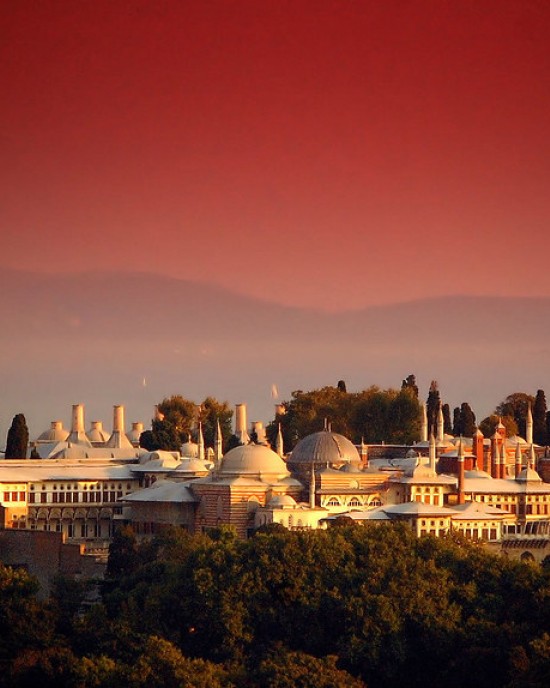
Founded by Osman Hamdi Bey and considered to be Turkey’s first museum, the Istanbul Archaeological Museum is a complex consisting of three parts: the Archaeological Museum itself, the Museum of the Ancient Orient, and the Tiled Pavilion (Çinili Köşk).
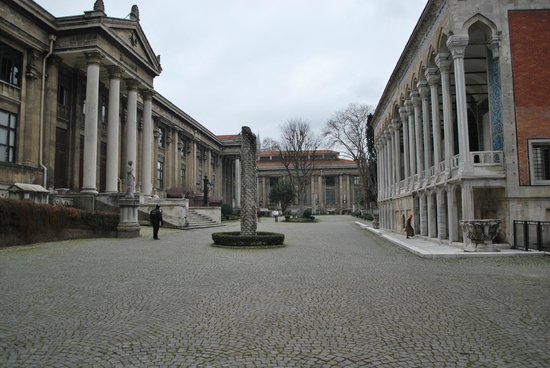
The museum itself is one of the most magnificent examples of neo-classical architecture in Istanbul, displaying artifacts from different civilizations that have left their mark in history.
The oldest building in the complex of Istanbul Archaeological Museums is the Tiled Pavilion (commissioned in 1472). The Tiled Pavilion Museum, where Turkish tile and ceramic samples are currently displayed, is one of the oldest examples of Ottoman civil architecture in Istanbul.
The Archaeological Museum has impressive architecture. It looks like a temple with its wide stairs, and pillars. “Âsâr-ı Âtika Müzesi'' is written at the entrance of the building, which means “museum of ancient artifacts.”
In the Museum of the Ancient Orient, artifacts are classified by place and time. There are Mesopotamian, Anatolian, Egyptian and Urartian artifacts, and cuneiform tablets on display.
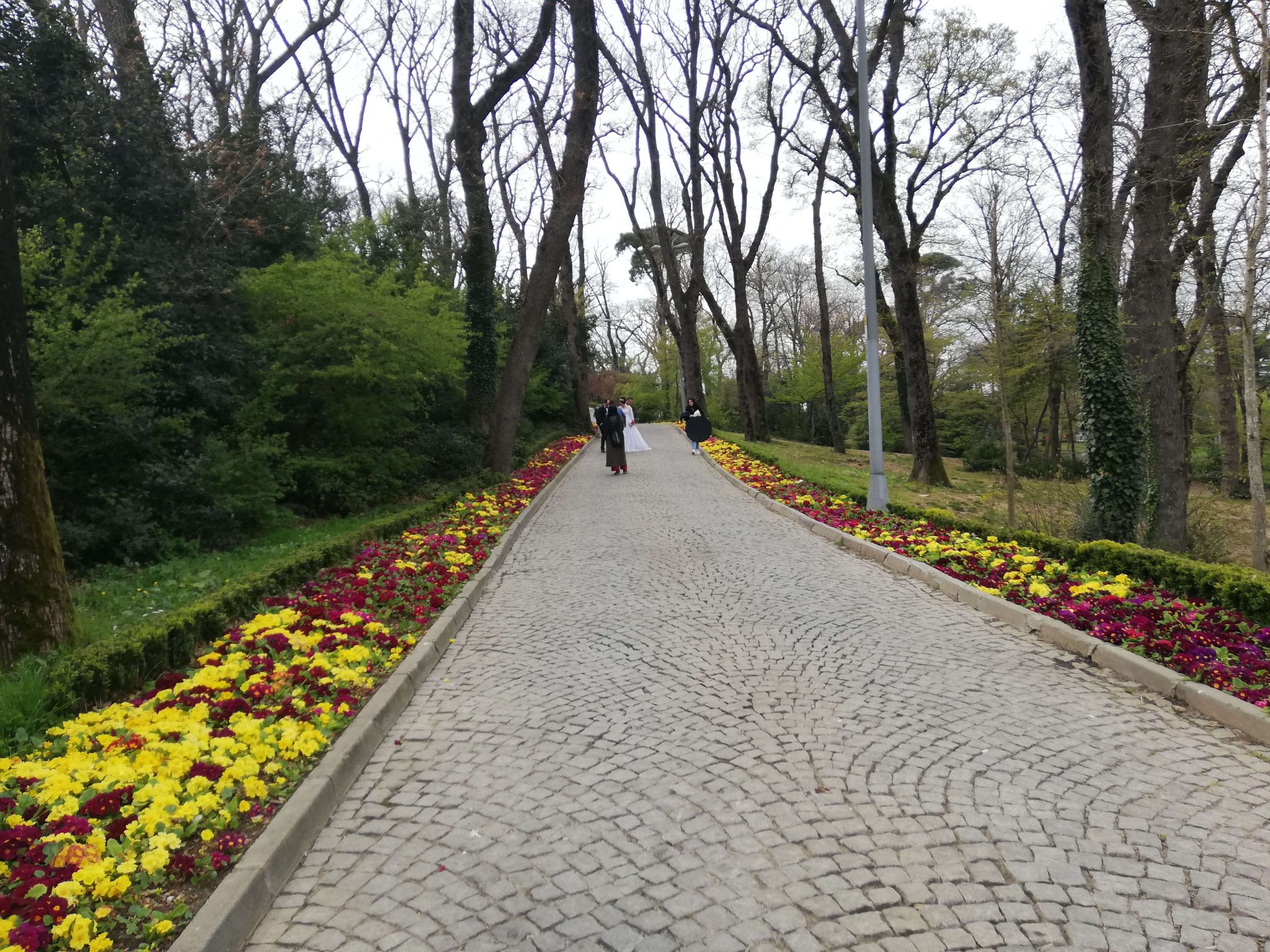
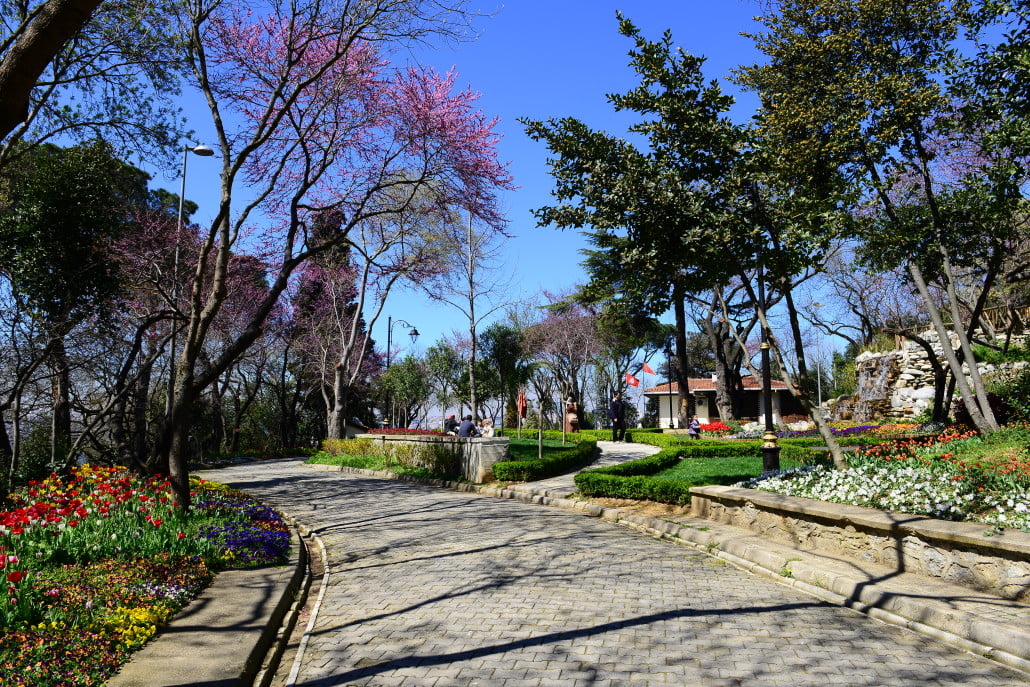
While you are here, you can visit Gulhane Park Avenue, where you can listen to the birds among the trees while eating a “simit”, a popular Turkish ring-shaped bagel encrusted with seeds.
📍 Istanbul Archaeology Museum — Istanbul, Turkey. Open in Google Maps →