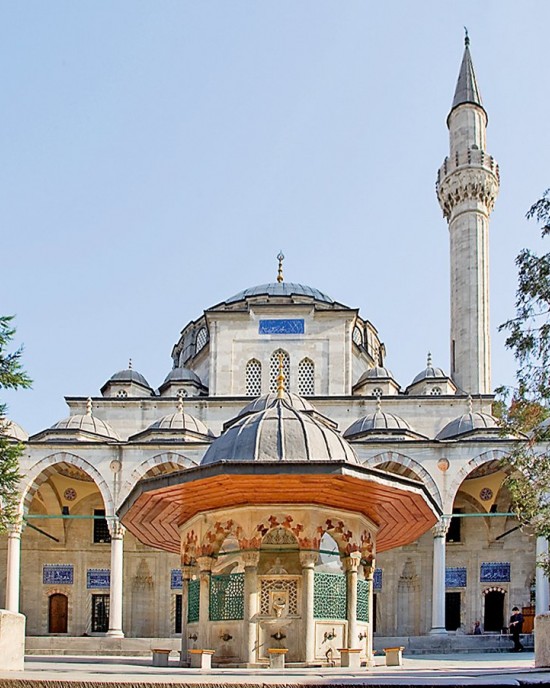
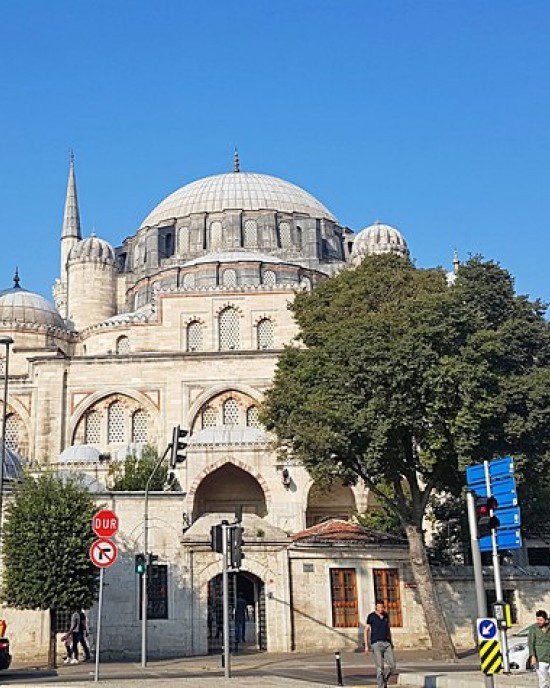
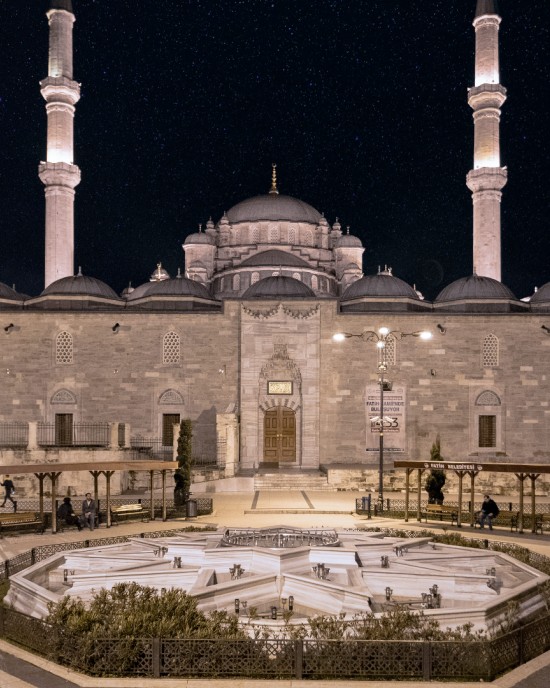
In 1462, nine years after the conquest of Istanbul, Mehmed the Conqueror ordered the construction of a mosque complex on one of the famous hills of Istanbul. Atik Sinan, not to be confused with Mimar Sinan, was appointed as the architect for the complex's construction. Eight years later, the complex was completed. However, like Hagia Sophia, Fatih Mosque is a rebuilt structure. On May 22, 1766, an earthquake with a magnitude of 6.9 struck the city and Fatih Mosque was severely damaged by this incident. In 1767 they decided to rebuild the mosque with Architect Mehmed Tahir's expertise, and in 1771 it reopened for congregational prayer.
Based on what we know from old pictures, the original Fatih Mosque building seems to have consisted of one single semi-dome in addition to the main dome. According to the notes of some experts, this design inspired the classical Ottoman mosque designs later developed by several architects, including Mimar Sinan.
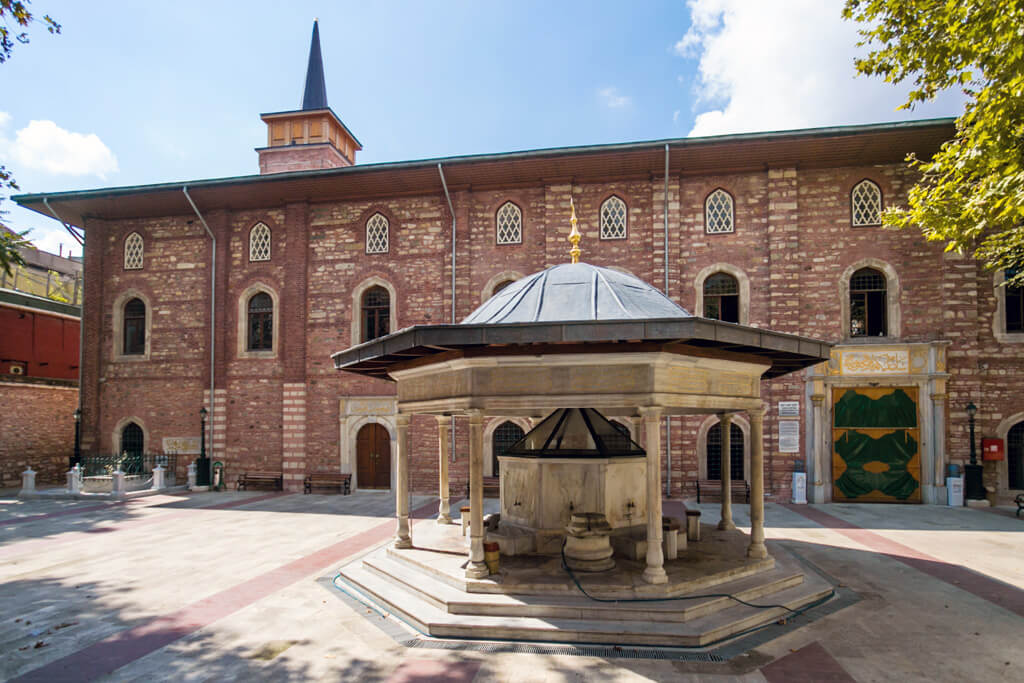
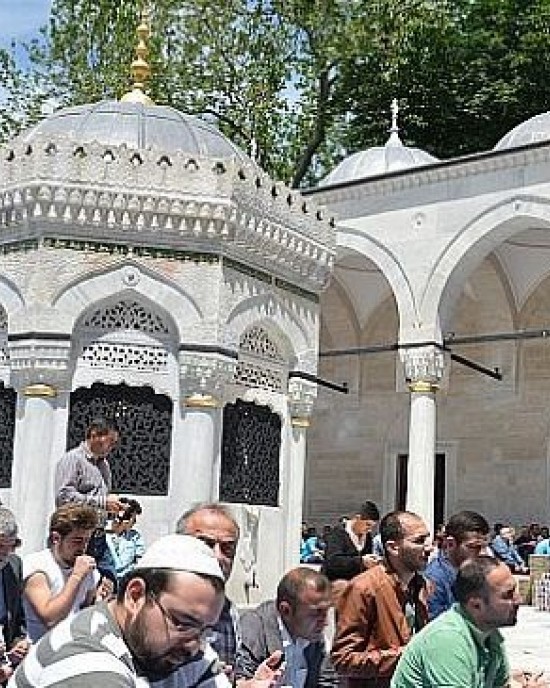
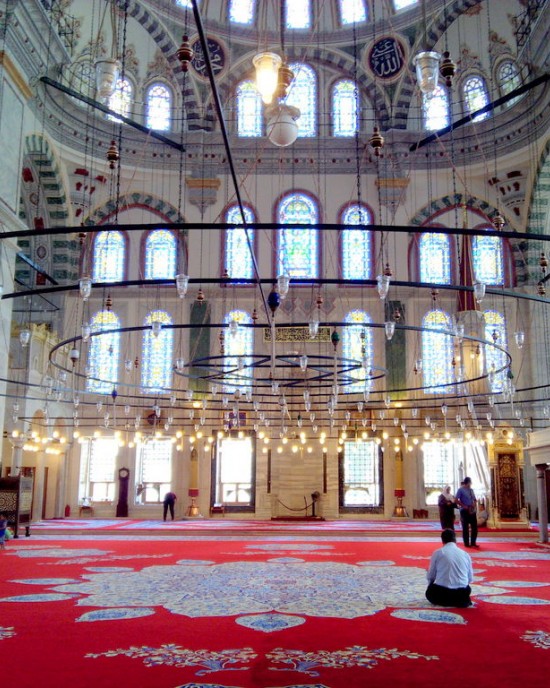
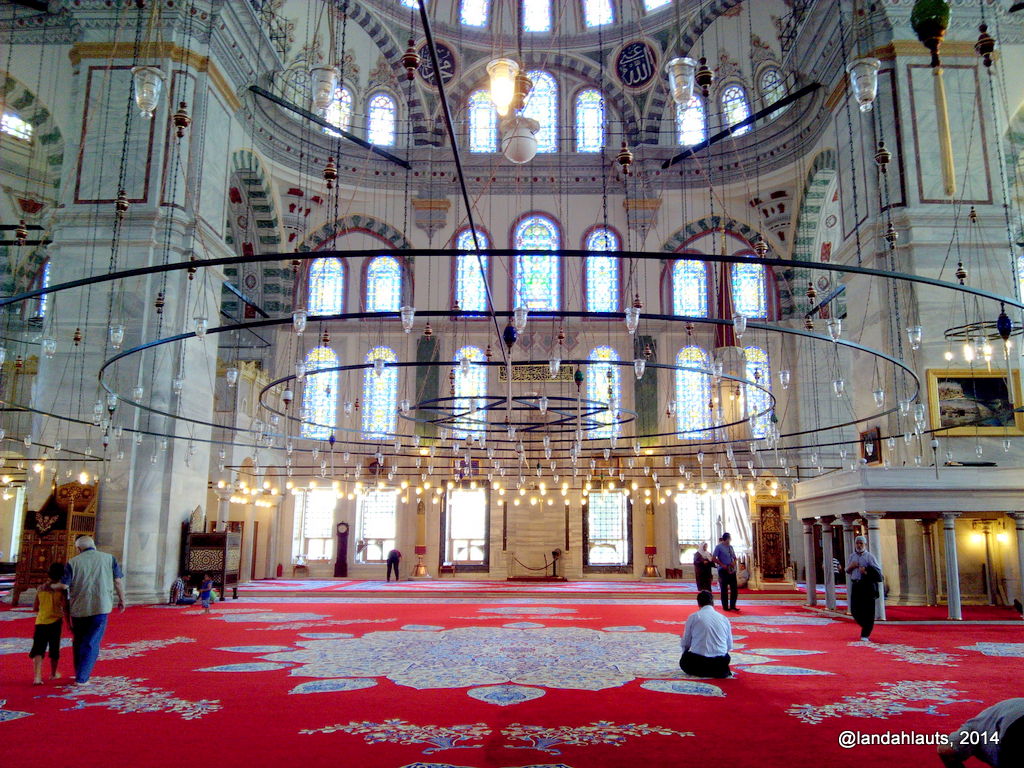
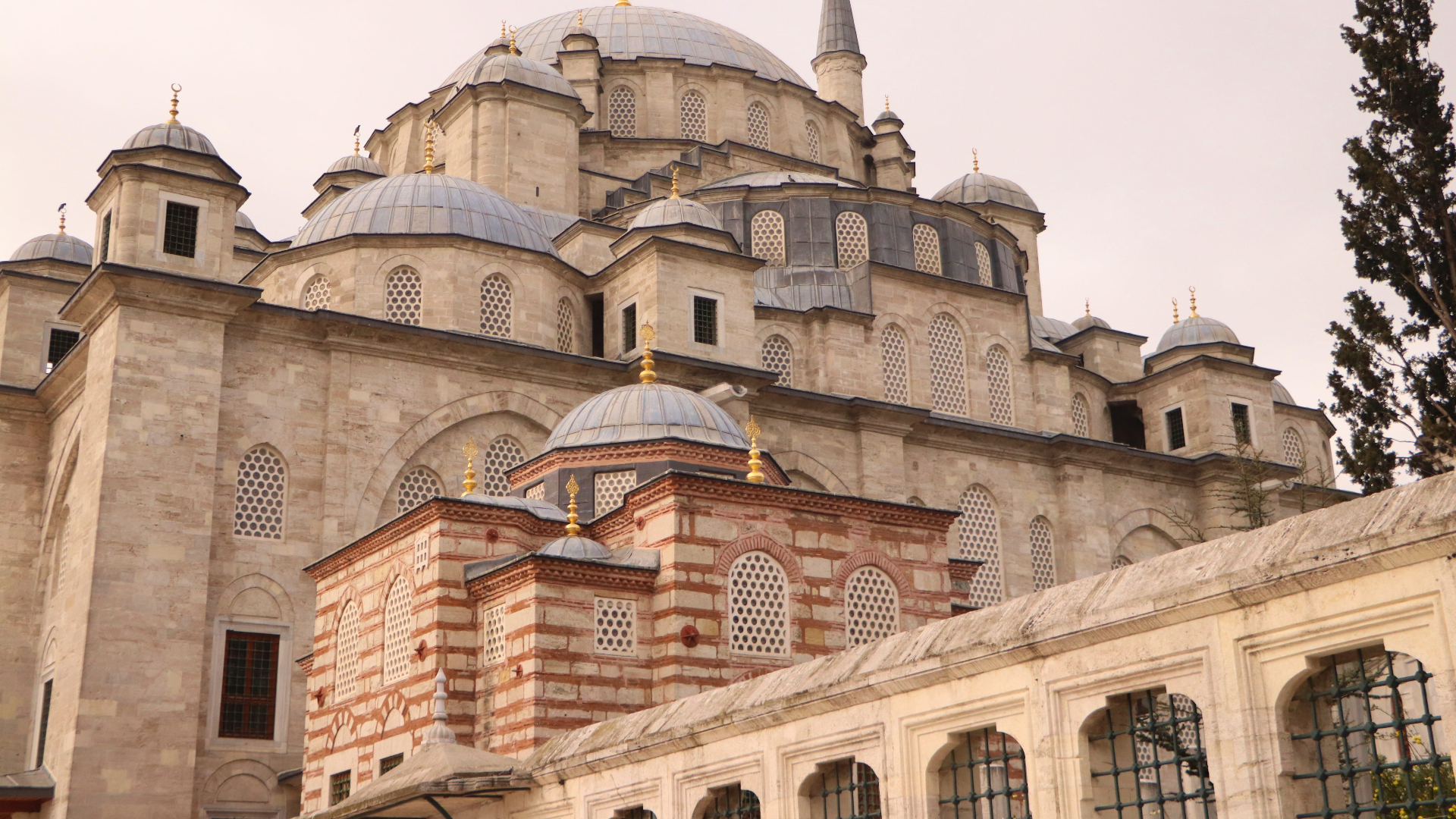
As for the mosque we see today, its construction period coincided with a time when the Classical Ottoman style had already produced its most popular works, such as the Blue Mosque. Architect Mehmed Tahir must not have seen a reason to not follow the Blue Mosque's design, and rebuilt Fatih Mosque along similar lines. Some elements of the original mosque remain, such as the fountain in the inner courtyard, the gate of this area, the prayer niche, and the minarets up to their first balcony.
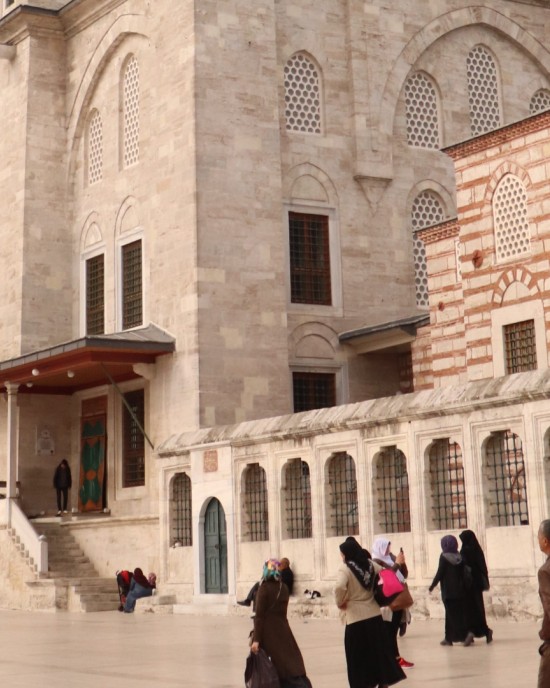
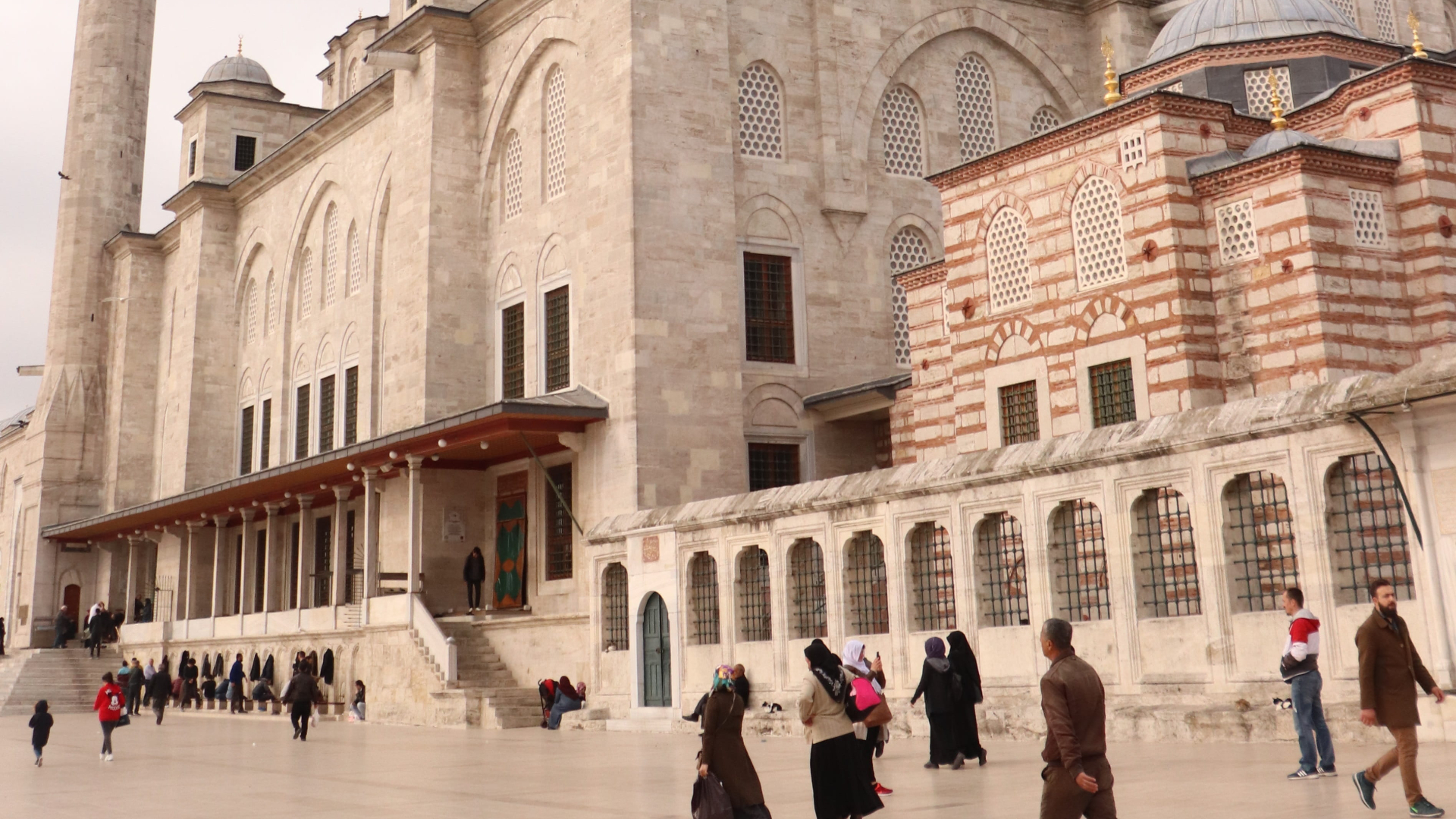
Comprising various service buildings including a great madrasah madrasah (college of that time) compound, this mosque complex was considered a substantial religious, cultural and educational centre in the Ottoman days. Although affected by certain post-Ottoman changes, in recent years the Fatih Mosque complex has reclaimed its significance.
📍 Fatih Mosque — Istanbul, Turkey. Open in Google Maps →