
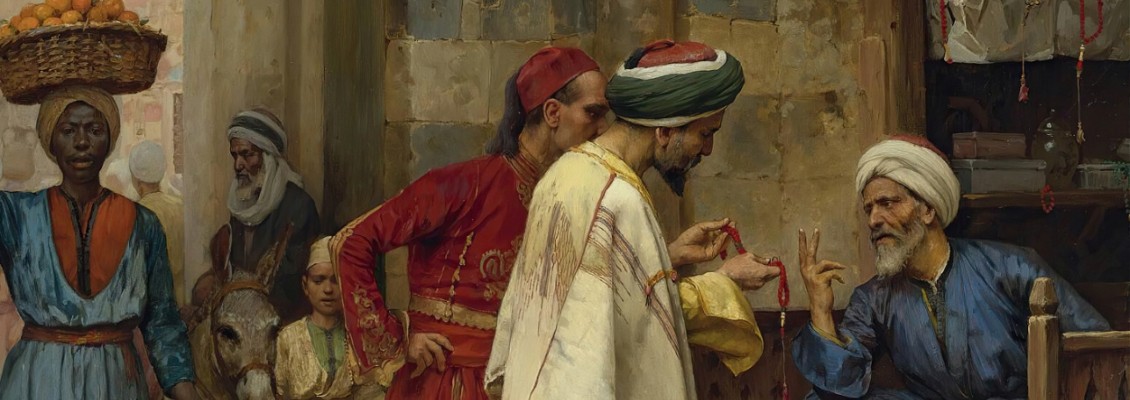
THE MESSAGE OF THE QUR’AN: WORK ETHICS
Islam is a religion that encourages balance between this world and the Hereafter. Its teachings do not ask people to ignore their worldly lives. Instead, Islam teaches people how to live in this world in a responsible and meaningful way while preparing for the life to come.
The Qur’an says:
Seek, through what Allah has given you, the home of the Hereafter; but do not forget your share of the world. [The Qur’an 28:77]
This verse shows that Islam does not see worldly life and the Hereafter as opposites. A Muslim can work, earn money, build a career, support a family, and contribute to society while also seeking the pleasure of Allah.
One of the basic realities of human life is work. People need to make an effort to meet their needs and fulfill their responsibilities. Islam therefore encourages work, effort, productivity, and responsibility.
The Qur’an says:
And that there is not for man except that [good] for which he strives. [The Qur’an 53:39]
This principle reminds Muslims that effort is important. A person should not expect results without making an effort. Islam encourages people to work not only in religious matters but also in their daily and professional lives. Laziness and dependence on others without a valid reason are not encouraged.
The Prophet Muhammad (peace be upon him) said:
No one has ever eaten better food than that earned by the work of his own hands. [Sahih al-Bukhari, 2072]
The Prophet also taught that asking others for money when a person can earn a living is not a good practice. He said that it is better for a person to carry wood on his back and sell it than to beg from people. [Sahih al-Bukhari, 1470]
These teachings show the value Islam gives to honest work. However, this does not mean that poor people or those who genuinely need help should be blamed. Islam strongly encourages charity and helping those in need. The point is that people who are able to work should make an effort to become productive and support themselves rather than depending on others unnecessarily.
Work Should Be Done Well
Islam encourages Muslims to take their responsibilities seriously. A person should do his or her work carefully and to the best of his or her ability. Being careless at work can affect other employees, customers, employers, and society as a whole.
For this reason, work ethics in Islam include being responsible, keeping promises, meeting deadlines, and not wasting working hours. A Muslim should not deliberately neglect his or her duties simply because no one is watching. Islamic ethics are based on the idea that Allah is always aware of what people do. The Qur’an says:
Indeed, Allah commands you to render trusts to whom they are due.
[The Qur’an 4:58]
A job can also be understood as a form of trust. An employee is trusted to do the work assigned to him or her. An employer is trusted to treat employees fairly. Business owners are trusted to provide honest goods and services. Therefore, work should be carried out with a sense of responsibility.
The Work Itself Should Be Lawful and Beneficial
Not every way of earning money is acceptable in Islam. The nature of a person’s work should be consistent with Islamic principles and should not harm other people. The Qur’an says:
O mankind, eat from whatever is on earth that is lawful and good. [The Qur’an 2:168]
Muslims are encouraged to earn their living through lawful and honest means. Therefore, activities based on theft, fraud, bribery, exploitation, deception, or other forms of injustice cannot be considered acceptable simply because they bring financial profit.
Do not consume one another’s wealth unjustly or use it to bribe the authorities in order that you may knowingly consume a portion of the wealth of others sinfully. [The Qur’an 2:188]
This principle is important not only for individuals but also for society. When business and work are based on interest, fraud, theft, bribery, or exploitation, trust between people disappears. A healthy society needs trust, justice, and respect for the rights of others.
Islam also warns against practices that harm society by unfairly manipulating markets. Hoarding essential goods in order to create scarcity and raise prices can harm people, especially the poor. The Prophet Muhammad (peace be upon him) said:
Whoever hoards is a sinner. [Sahih Muslim, 1605]
The purpose of work and business should therefore not be profit at any cost. Earning money is legitimate, but profit should not be gained through injustice or by causing unnecessary harm to others.
Honesty Is One of the Most Important Business Principles
Justice and honesty are among the most important principles of Islam. A Muslim should deal with other people openly and honestly and should avoid fraud and deception.
Give full measure and do not be among those who cause loss. [The Qur’an 26:181]
Woe to those who give less [than due], who, when they take a measure from people, take in full. But when they give by measure or weight to them, they cause loss. [The Qur’an 83:1-3]
These verses strongly condemn cheating in trade. The principle, however, is not limited to weights and measures. Today, the same ethical principle can apply to many areas of professional life. A seller should not hide defects in a product. A company should not mislead customers through false information. An employee should not claim to have worked hours that were not actually worked. A professional should not promise services that cannot be provided.The Prophet Muhammad (peace be upon him) said:
Whoever deceives us is not one of us. [Sahih Muslim, 102]
Honesty therefore includes being truthful about products, services, prices, qualifications, and professional responsibilities. A successful Muslim is not only concerned with what is legally possible but also with what is morally right.
Fairness in Contracts and Agreements
Islam places great importance on keeping promises and fulfilling agreements. This is especially important in modern working life, where many relationships are based on contracts and mutual responsibilities.
O you who believe, fulfill your contracts. [The Qur’an 5:1]
A contract creates responsibilities for both sides. Employees should fulfill their duties, while employers should respect the rights of their employees. Employers should not delay wages unfairly, exploit workers, or place unreasonable demands on them. Employees, on the other hand, should perform the work for which they have agreed to be paid.
The Qur’an also warns people not to exploit the vulnerability of others:
And do not deprive people of their due. [The Qur’an 7:85]
Fair treatment is therefore an important part of Islamic work ethics. Power and wealth should not be used to take advantage of people who are in a weaker position.
Fair Wages and the Rights of Workers
A worker deserves fair treatment and respect. Islam does not separate business ethics from human dignity. An employer should remember that employees are not simply tools for making profit. They are human beings with families, needs, and rights.
The Prophet Muhammad (peace be upon him) said:
Give the worker his wages before his sweat dries. [Sunan Ibn Majah, 2443]
The basic principle of this teaching is clear: workers should be paid properly and without unnecessary delay. Delaying a person’s rightful payment without a valid reason is a form of injustice.
The Prophet (peace be upon him) also said that Allah will be the opponent on the Day of Judgment of a person who hires a worker, receives the full benefit of that person’s work, and then does not give the worker his wages [Sahih al-Bukhari, 2227]. This is a important warning against exploiting workers. Fair wages, clear responsibilities, and respect for employees are not simply good business practices; they are also moral responsibilities.
Women and Work in Islam
The Qur’an makes clear that both men and women are responsible for their own actions and efforts. It says:
For men is a share of what they have earned, and for women is a share of what they have earned. [The Qur’an 4:32]
Therefore, earning money and working are not activities reserved only for men. Women have participated in economic and social life throughout Islamic history.
One well-known example is Khadijah (may Allah be pleased with her), the first wife of the Prophet Muhammad (peace be upon him). She was a successful and respected businesswoman. She was involved in trade and used her wealth in charitable and beneficial ways. Her example shows that women’s economic activity is not contrary to Islamic tradition. Like men, women should also be treated with justice and dignity in the workplace. They should have the right to their lawful earnings and should not be exploited or deprived of what they have earned.
Lawful Earnings Bring Blessing
In Islam, the way money is earned is as important as the amount of money earned. Wealth gained through lawful and honest work is connected with barakah, meaning blessing.
A small amount of money earned honestly may bring more peace and benefit than a large amount earned through injustice. For this reason, a Muslim should not only ask, “How much can I earn?” but also, “How am I earning it?”
Money Should Also Be Spent Honestly and Responsibly
Islamic ethics do not end when a person receives his or her salary or business profit. The way wealth is spent is also important. Money should be used through lawful means and should not be spent on things that harm oneself or others. Islam also encourages people to avoid both wastefulness and excessive miserliness.
And do not be extravagant. Indeed, He does not like those who are extravagant. [The Qur’an 6:141]
When they spend, are neither extravagant nor miserly, but hold a just balance between those [extremes]. [The Qur’an 25:67]
Therefore, earning money is not an end in itself. Wealth should help a person live responsibly, support his or her family, assist those in need, and contribute positively to society.
Work Can Become an Act of Worship
One of the most important ideas in Islam is that ordinary activities can become meaningful acts of worship when they are done with the right intention and according to Islamic principles.
Going to work, running a business, teaching, farming, producing goods, providing services, and supporting one’s family can all become meaningful acts when they are carried out honestly and responsibly.
The Prophet Muhammad (peace be upon him) said:
Actions are judged by intentions. [Sahih al-Bukhari, 1; Sahih Muslim, 1907]
A person’s intention therefore matters. Working only for personal wealth is different from working with the intention of earning a lawful living, supporting one’s family, avoiding dependence on others, and benefiting society.
Of course, a good intention alone does not make an unethical action acceptable. Both intention and action should be good. A Muslim should seek a good purpose through lawful and honest means.
A Muslim Professional Should Respect People and the Environment
Islamic work ethics are not limited to financial transactions. A person’s professional decisions can affect other people, animals, and the environment.
The Qur’an repeatedly warns against causing corruption and harm on earth. It says:
Do not cause corruption on the earth after it has been set right.” [The Qur’an 7:56]
For this reason, people and businesses should consider the consequences of their actions. Profit should not justify unnecessary harm to society or the environment. Wasting resources, damaging nature, and ignoring the effects of production and consumption are also questions that Muslims should think about.
A responsible Muslim should therefore ask not only, “Is this profitable?” but also, “Is this fair? Is it honest? Does it harm others?”
Conclusion
Islam offers a broad understanding of work and business ethics. Work is not simply a way to earn money. It is also connected to responsibility, honesty, justice, human dignity, and social welfare.
A Muslim is encouraged to work hard, improve his or her skills, and earn a lawful living. At the same time, success should not be achieved through deception, exploitation, bribery, theft, or injustice. Employers and employees both have rights and responsibilities. Women and men have the right to earn through lawful work. Money should be earned honestly and spent responsibly.
In short, Islamic work ethics can be built on a few simple principles:
● Work hard and avoid unnecessary dependence on others.
● Choose lawful and beneficial work.
● Be honest and do not deceive people.
● Fulfill contracts and keep promises.
● Respect the rights of employees, employers, customers, and business partners.
● Do not exploit others for profit.
● Pay workers fairly and without unjust delay.
● Avoid bribery, theft, fraud, and unfair business practices.
● Earn through lawful means and spend responsibly.
● Use work and wealth to benefit yourself, your family, and society.
By following these principles, Muslims can turn their professional lives into more than a search for financial success. Honest work becomes a way of serving people, building trust, supporting society, and seeking the pleasure of Allah.
Leave a Comment