
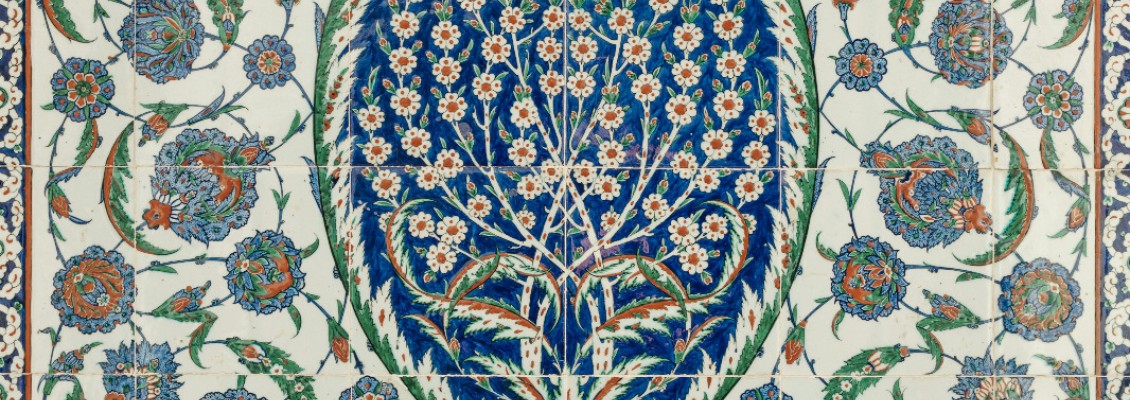
WONDERS OF TÜRKİYE: TURKISH TILES
Turkish tiles, known as Çini in Turkish, are one of the most beautiful forms of Islamic ceramics. For centuries, these colourful glazed tiles have decorated mosques, palaces, tombs, fountains, and public buildings across Anatolia. Today, this ceramic art in Türkiye continues to attract visitors from around the world who admire its rich history and detailed craftsmanship.
From the magnificent İznik tiles of the Ottoman Empire to the handmade ceramics of Kütahya, Turkish tile art reflects centuries of artistic skill and Islamic culture. Whether you visit a historic mosque in Istanbul or a traditional workshop in Anatolia, you will discover that Turkish tiles are much more than decoration. They are an important part of Türkiye’s cultural heritage.
What Are Turkish Tiles (Çini)?
Turkish tiles are glazed ceramic tiles and pottery made from refined clay. After being shaped and fired in a kiln, they are carefully painted by hand with colourful designs and covered with a transparent glaze before being fired again. This process creates the bright, glossy surface that has made Turkish ceramics famous around the world.
Throughout history, Turkish tiles have decorated not only religious buildings but also homes, palaces, fountains, and everyday objects such as plates, bowls, cups, and vases.
The History of Turkish Tile Art
The history of glazed ceramics began thousands of years ago in ancient Egypt and Mesopotamia before spreading to Persia and Central Asia. Early Turkic peoples adopted these ceramic techniques, and some of the oldest examples of ceramic art can be traced to the Uyghurs before they embraced Islam.
After the Turks accepted Islam, Ottoman tile art and earlier Seljuk ceramics developed into one of the finest traditions of Islamic art. The Seljuks introduced tile-making to Anatolia in the 11th century, decorating mosques, madrasas, palaces, and tombs with beautiful blue and turquoise tiles.
During the Ottoman period, Turkish craftsmen perfected the art, creating the world-famous İznik tiles that still decorate many of Turkey's most famous mosques.
Turkish Tiles and Islamic Art
One reason Turkish tile art became so important is its close connection with Islamic architecture. Instead of decorating mosques with large human figures or depictions, Muslim artists created beauty through floral designs, geometric patterns, and Arabic calligraphy.
As a result, Islamic ceramics, tile work, calligraphy, and manuscript illumination became some of the most important artistic traditions in the Islamic world.
Famous Centers of Turkish Tile Production
İznik Tiles
No discussion of Turkish tiles is complete without İznik tiles. Between the late 15th and 17th centuries, İznik became the most important centre of Ottoman tile art.
İznik workshops produced tiles for imperial mosques, palaces, and public buildings throughout the Ottoman Empire. Their white backgrounds and brilliant cobalt blue, turquoise, emerald, green, and famous coral red colours made them some of the finest examples of Islamic ceramics ever created.
Today, visitors can admire İznik tiles in many of Istanbul's historic mosques, including the Blue Mosque, the Rüstem Pasha Mosque, and the Sokullu Mehmed Pasha Mosque.
Kütahya
Kütahya has been producing Turkish ceramics since the 15th century and remains the center of ceramic art in Türkiye today. Local workshops continue to create both traditional and modern designs using techniques passed down through generations.
Çanakkale
From the 17th century onward, Çanakkale became famous for its colorful pottery and decorative ceramics. While İznik specialized in architectural tiles, Çanakkale workshops produced plates, jugs, animal figures, and many other handmade ceramic objects.
Common Motifs on Turkish Tiles
Many traditional Turkish tiles feature designs inspired by nature and Islamic art. Some of the most common motifs include:
● Tulips, symbolizing beauty and the unity of God.
● Carnations, representing elegance.
● Roses, associated with the Prophet Muhammad.
● Cypress trees, symbolizing eternal life.
● Geometric patterns, expressing harmony and infinity.
● Arabic calligraphy, often featuring verses from the Qur'an or the beautiful names of Allah.
Turkish Tiles Today
Although modern architecture uses Turkish tiles less often than in the past, the beauty of Çini art can still be seen throughout Türkiye. Tiles continue to decorate hotels, restaurants, and public spaces, while traditional ceramics such as plates, bowls, and vases keep this centuries-old craft alive.
The finest examples of Ottoman tile art and Seljuk ceramics can still be admired in Türkiye's historic mosques, palaces, tombs, and museums. These masterpieces have preserved their beauty for hundreds of years, offering visitors a glimpse into the rich artistic heritage of the Islamic world.
On your next visit to Turkey, take a closer look at the walls, domes, and interiors of its historic buildings. You may discover that every İznik tile and every hand-painted pattern tell a story of faith, craftsmanship, and centuries of Turkish culture.
Leave a Comment