WONDERS OF TÜRKİYE: TURKISH CARPETS AND RUGS
Turkish culture is home to a rich variety of traditional handicrafts. Among them, weaving art holds a very special place. Originating in Central Asia, the art of weaving reached its finest form in Anatolia and from here traveled across the world. In this article, we will explore the history and silent stories of Turkish carpets and rugs which are works of art that carry the memory, emotions, and traditions of generations.
Its History
The roots of Turkish weaving tradition go back thousands of years to the nomadic Turkic tribes of Central Asia. The earliest known example of a knotted Turkish carpet is the famous Pazyryk Carpet, which dates back to the 5th and 4th centuries BCE. It was discovered in a Scythian burial mound in Siberia and is considered one of the oldest surviving carpets in the world.
The Seljuks played a major role in spreading the tradition of carpet weaving across Western Asia and Persia through the motifs and techniques they used. After the Battle of Manzikert in 1071, the Turks brought this rich weaving tradition to Anatolia. Here, the art continued to develop and gained new styles influenced by the geography and culture of the region.
During the Anatolian Beyliks period, carpet weaving began to gain a more distinct artistic identity. Different regions developed their own colours, motifs, and weaving techniques. However, the true golden age of Turkish carpet art came during the Ottoman Empire. Ottoman carpets became famous throughout the world for their quality, elegance, and fine craftsmanship. They decorated palaces, mosques, and wealthy homes, while also becoming valuable trade goods exported to Europe and beyond.
The Motifs
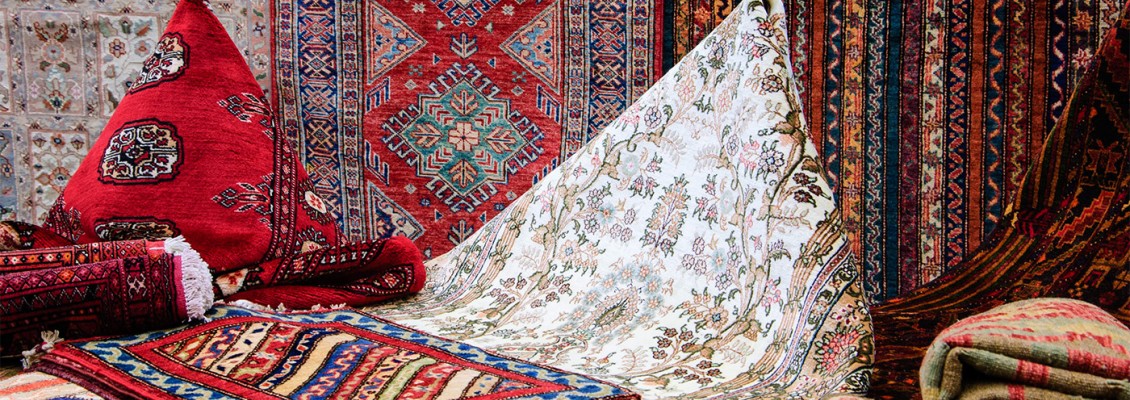
For centuries, carpets and rugs have been more than simple household items in Turkish culture. They were part of daily life, used in homes, tents, mosques, and palaces. At the same time, they became a way for people to express themselves without words. Every color, pattern, and symbol carried a meaning. In many ways, a woven carpet was like a personal message from the person who made it.
This symbolic language gave Turkish carpets and rugs a unique depth and character. The motifs woven carefully by hand were never chosen randomly. Every symbol added a special meaning not only to the carpet itself but also to the place where it would be used. These patterns left traces of the emotional world of the people who created them and carried their stories into the future. Scorpions, geometric shapes, the evil eye, symbols of abundance and fertility, hair braids, animals, flowers, human figures, pitchers, ram’s horns, water paths, the tree of life, snakes, and birds are among the most common motifs found in Turkish weaving tradition.
Colours
Colours also played an important role in the symbolic world of Turkish carpets and rugs. Red often represented love, passion, courage, and strength. Blue was believed to protect against evil and bring peace, while green carried spiritual and religious meanings. Yellow could symbolize the sun and happiness, and black was sometimes associated with grief or protection from danger.
The colours used in traditional carpets were obtained from natural sources such as plants, roots, tree bark, flowers, and even insects. Madder root was commonly used for red tones, indigo for blue, and walnut shells for brown shades. These natural dyes gave Turkish carpets their rich, warm, and long-lasting colours. Even after centuries, many historical carpets have managed to preserve their beauty. Today, some traditional workshops in Anatolia continue these ancient dyeing techniques, keeping this cultural heritage alive for future generations.
If you are in Istanbul, you can easily find traditional Turkish carpets and rugs in many tourist areas and bazaars. However, it is important to be careful about authenticity and pricing, as some products may be overpriced or machine-made imitations sold as handmade pieces. Learning a little about natural dyes, weaving techniques, and traditional motifs can help you recognize genuine carpets.
If you have the chance to travel to different parts of Türkiye, visiting regional weaving centers can be a much more rewarding experience. Places such as Uşak, Konya, and Yağcıbedir are some of the destinations where you can both explore local culture and find authentic handmade carpets and rugs directly connected to centuries-old weaving traditions.
Leave a Comment