EDİRNE
If you’re planning a trip to Turkey and want to explore a city full of history, culture, and beautiful architecture—but without the huge crowds—Edirne is the place for you. Located in the northwest corner of Turkey, right near the borders of Greece and Bulgaria, this beautiful city is often overlooked by tourists. But it is definitely worth a visit!
Edirne has a rich history that goes way back. It was home to Thracians, Achaeans, Persians and Romans. It was once called Adrianople, named after the Roman emperor Hadrian, who conquered the city. Later, it became the capital of the Ottoman Empire before Istanbul took over that role. That means the city is full of centuries-old mosques, bridges, and buildings that tell stories from both the Roman and Ottoman times.
Selimiye Mosque
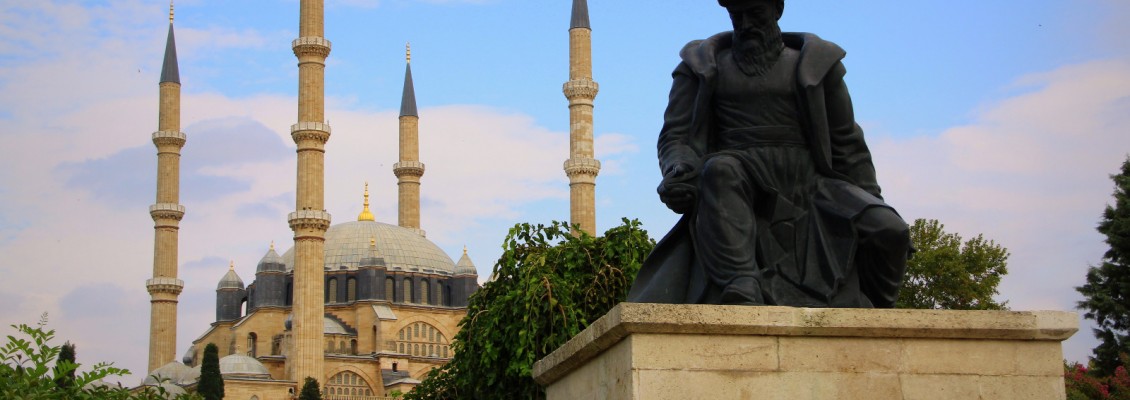
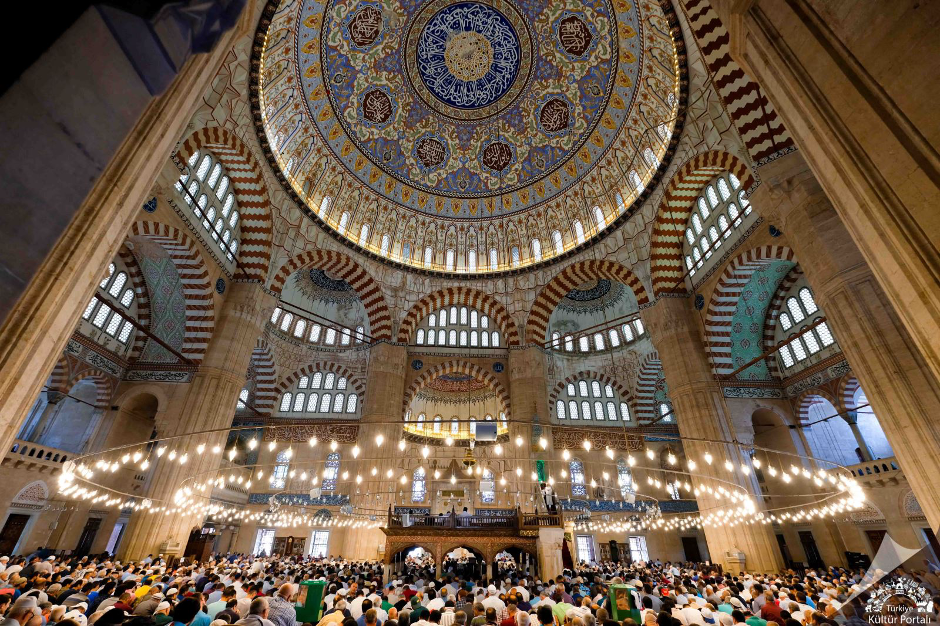
You can’t talk about Edirne without starting with its most famous landmark—the Selimiye Mosque. It was designed by the famous Ottoman architect Mimar Sinan, who actually called it “the greatest work of my life.” The mosque was completed in 1575, during the reign of Sultan Selim II (hence the name). When you see it from a distance, the first thing you’ll notice is its elegant dome and four towering minarets that reach 70 meters high. The interior is full of exquisite details. The marble craftsmanship is truly impressive—especially on the minbar (the pulpit), the mihrab (the prayer niche), and the fine pencil-drawn decorations under the muezzin’s mahfil (a raised platform where the call to prayer is recited). These are considered some of the finest decorative elements of the Ottoman period. And then, there are the İznik tiles. The interior is adorned with beautiful ceramic tiles featuring 101 different tulip patterns.
Selimiye Mosque is also listed as a UNESCO World Heritage Site, so you’re not just visiting a mosque—you’re stepping into a piece of global cultural heritage. Don’t forget to check out the Selimiye Arasta Bazaar right next to the mosque. It’s a covered market where you can shop for souvenirs, local sweets, and handmade goods.
Eski Camii (Old Mosque)
Just a short walk from Selimiye, you’ll find another gem of Edirne: The Old Mosque, or Eski Camii in Turkish. Don’t let the name fool you—this mosque may be “old,” but it’s full of character and charm.
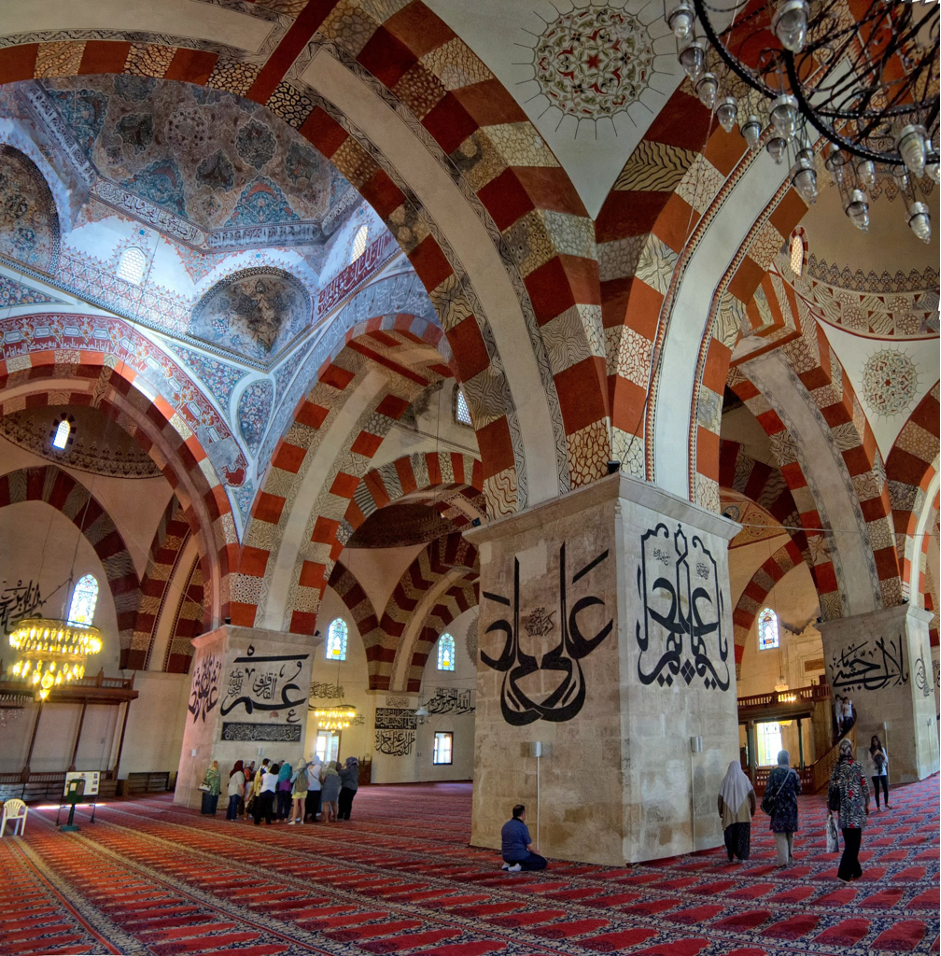
Built in the early 15th century, the Old Mosque is the oldest surviving Ottoman Mosque in Edirne. It was commissioned by Emir Süleyman and completed during the reign of his brother, Sultan Mehmet I. That makes it a witness to some of the earliest days of Ottoman architecture.
Architecturally, the mosque is both simple and striking. At first glance, it may look like a large, boxy stone structure. But once you get closer, you’ll notice something unusual: ancient Roman columns reused at the entrance. Inside, the mosque is covered by nine domes arranged in a grid and supported by four solid pillars—a design clearly inspired by Bursa’s Great Mosque (Ulu Cami), but with its own Edirne twist.
Just steps away from the mosque is the Bedesten, Edirne’s first covered market, also commissioned by Mehmet I. This vaulted stone structures once helped fund the maintenance of the mosque through shop rents. It’s made up of fourteen chambers, and like the mosque, it was modelled after earlier examples in Bursa.
The Bedesten was restored in the 1980s, but inside, it has a bit of a mixed vibe—basic shops, bargain goods, and worn tiles underfoot. Still, it’s worth a quick visit, if only to imagine how vibrant and bustling it must have been centuries ago.
Üç Şerefeli Mosque
Next on your walk-through Edirne’s historic heart is the Üç Şerefeli Mosque—a mosque that marks a turning point in Ottoman architecture. The name means “Mosque of Three Balconies”, and it refers to the most eye-catching feature: one of its minarets has three balconies, each accessed by its own internal staircase. The mosque was commissioned by Sultan Murad II and completed around 1447, just a few decades before the Ottomans would go on to conquer Constantinople.
One of the first things you’ll notice is that each of the four minarets has a different design, which is quite unusual. The courtyard is another standout feature. It was a big innovation in its time, with a central sadırvan (ablution fountain) surrounded by elegant porphyry and marble columns, many of which were taken from ancient Roman ruins.
The interior is unusually wide and open, with a massive central dome 24 meters across, supported by only two freestanding columns. The other four supports are cleverly built into the front and back walls, creating a hexagonal layout that makes the space feel even more spacious.
Right across from the mosque, you’ll spot the Sokullu Paşa Hamamı, a traditional Turkish bath designed by Mimar Sinan in the 16th century. With separate sections for men and women, it’s still in use today (open daily from 7am to 10pm) if you’re in the mood for a relaxing local experience.
Ali Pasha Bazaar
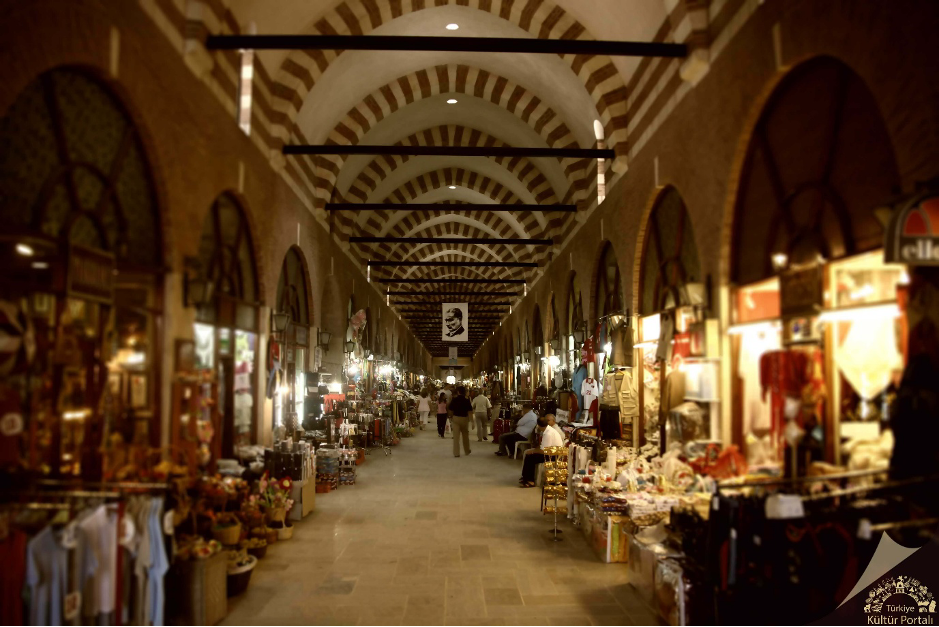
If you’re in the mood for a bit of shopping, head over to the Ali Pasha Bazaar, one of Edirne’s most charming covered markets. Built in the 16th century by the great Ottoman architect Mimar Sinan, the bazaar was commissioned by Grand Vizier Ali Paşa, a powerful statesman who served under Sultan Suleiman the Magnificent.
Inside, you’ll find a mix of traditional goods: handmade soaps, copperware, local sweets, textiles, and souvenirs. Don’t miss trying Edirne’s famous almond paste (badem ezmesi) or picking up some lavender products from nearby Karaağaç.
Leave a Comment